
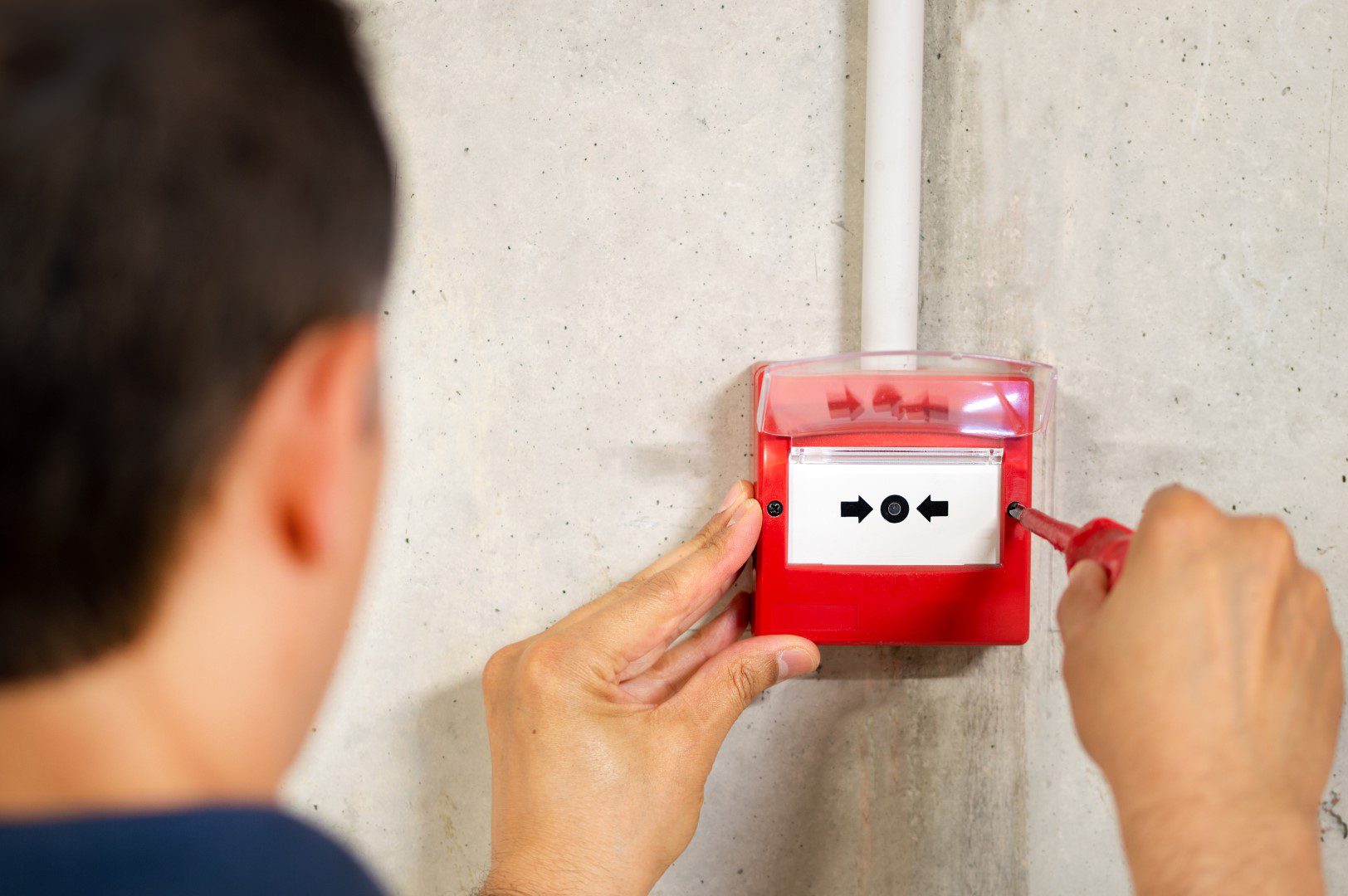
Fire detection and alarm systems are vital to the protection of any commercial property in Newcastle. Every business, regardless of size or sector, relies on early warning to prevent injury, protect assets and keep operations compliant with UK fire safety regulations. Over time, the performance of a fire alarm system naturally declines due to wear, outdated technology, environmental conditions and changes in legislation. Many business owners in Newcastle only notice issues once the system begins to malfunction, which can lead to unnecessary risk and costly downtime.
A modern and reliable fire alarm system is not simply a recommendation. It is a legal requirement and a fundamental part of your building’s safety strategy. If you are unsure whether your current system is still fit for purpose, there are several clear signs that indicate an upgrade is needed. Understanding these signs helps you stay compliant, reduce risk and protect the people who use your building every day.
Below are the top five indicators that your fire detection and alarm system in Newcastle requires updating, along with expert guidance on how to address each issue effectively.
1. Your System Is More Than Ten Years Old
Many fire alarm systems begin to show their age once they pass the ten year mark. While some systems may appear to function normally, internal components degrade over time. This includes detectors, sounders, control panels and wiring. As parts deteriorate, the system can become slower to respond or fail to activate entirely during an emergency.
For businesses in Newcastle, where many commercial buildings range from older Victorian properties to modern industrial units, age plays a significant role in system reliability. In older buildings, environmental factors such as dust, humidity and temperature changes can accelerate wear, especially in detectors. In newer buildings, rapid technological change means equipment can quickly become outdated even if it is still technically operational.
Modern fire alarm systems offer far more than basic detection. They provide higher accuracy, quicker activation, improved connectivity and better resistance to false alarms. Many older systems cannot be easily repaired due to discontinued parts, which increases downtime and maintenance costs. If your system is approaching or has passed the ten year mark, an assessment by a qualified fire alarm specialist is strongly recommended.
2. Frequent False Alarms Affecting Your Newcastle Operations
Frequent false alarms are one of the most common signs that an upgrade is needed. When alarms occur without smoke, fire or fault-related triggers, the cause is often a failing detector, a degraded sensor or outdated technology that struggles to cope with modern building environments.
False alarms disrupt business activities, cause unnecessary evacuations and reduce employee confidence in the system. In Newcastle city centre, false alarm callouts can also place additional strain on emergency services and may result in penalties for repeated incidents.
Common causes of false alarms include:
- Dust accumulation or environmental contamination inside detectors
- Sensitivity drift due to age
- Outdated detectors that are incompatible with new building layouts
- Faulty heat detection in kitchens or production areas
- Worn cabling or loose connections
Modern detectors are designed to be far more resistant to nuisance triggers. Multi-sensor detectors combine heat and optical smoke technology to deliver accurate and reliable results, significantly reducing the number of unnecessary alerts. If your business is experiencing false alarms more than once or twice a year, a system upgrade is often the most effective long-term solution.

3. Expansion or Changes to Your Building Layout
Businesses evolve, and their premises often evolve with them. Whether you have expanded into new areas, reconfigured office spaces or altered production layouts, changes to your building can affect the performance of your fire detection system.
In Newcastle, many commercial properties adapt their layout to accommodate growth. Examples include converting unused spaces into offices, adding new storage areas, integrating mezzanine floors or modifying open-plan environments. All these changes influence how smoke and heat travel, which can compromise the effectiveness of detectors that were placed according to an older layout.
If your fire alarm system has not been reviewed since these changes were made, there is a high chance that detection coverage is no longer adequate. You may have blind spots where smoke will not reach detectors quickly, which can delay alarm activation. Businesses that expand into new premises often assume that their existing system can simply be extended. However, not all older panels support additional zones or devices. In some cases, upgrading to a more advanced system is the only way to ensure full compliance and safe integration.
A professional fire alarm designer can evaluate your building and ensure that detectors, sounders and call points are placed correctly according to current regulations and the way your building is used today.
4. Your System Does Not Comply with Current Regulations
Fire safety legislation in the UK is updated periodically to ensure buildings meet modern standards. If your fire detection and alarm system has not been reviewed recently, it may no longer meet British Standards or the requirements set out in the Regulatory Reform Fire Safety Order.
For Newcastle businesses, this is particularly important. Inspections by local authorities or insurers may flag deficiencies that require corrective action. Non-compliance can lead to penalties, enforcement notices and increased insurance premiums. More importantly, it increases the risk to people inside the building.
Signs that your system may be non-compliant include:
- Lack of automatic detection in required zones
- Insufficient audibility of alarms throughout the building
- No clear distinction between alert and evacuation signals
- Outdated control panels without fault and status monitoring
- Inability to produce service logs, tests or maintenance records
Legislation also expects systems to be installed and maintained by competent persons. If your system has been serviced infrequently or by an unqualified provider, its compliance status becomes uncertain.
Upgrading your fire detection system ensures that your building meets all relevant British Standards, including BS 5839 for fire alarm design, installation and maintenance. A compliant system gives peace of mind, meets insurance expectations and protects your workforce, visitors and assets.
5. Increased Maintenance Costs and Regular System Faults
If your fire alarm system regularly displays fault warnings or requires callouts from maintenance engineers, this is a strong indication that an upgrade is needed. Frequent faults usually occur when components start to deteriorate or the system is struggling to operate within its designed capacity.
Common issues include:
- Fault lights or warning indicators on the control panel
- Repeated battery failures
- Detector contamination in busy or dusty environments
- Communication errors between devices
- Unreliable sounders or beacons
- Wiring insulation issues
While occasional maintenance is normal, repeated visits quickly become more expensive than installing a modern system. Additionally, frequent faults undermine the reliability of your fire safety measures and can leave your business vulnerable during periods when the system is unable to function correctly.
Choosing to upgrade allows you to benefit from the improved reliability and efficiency of modern technology. Many new systems also provide remote diagnostics, which can help engineers identify faults quickly and reduce disruption to your business operations.
Why Upgrading Your Newcastle Fire Detection System Is a Smart Investment
Upgrading a fire alarm system is not only about meeting legal obligations. It is a strategic investment in the long-term safety and resilience of your business. Modern systems provide:
- Faster and more accurate detection
- Better control over false alarms
- Clearer evacuation signals
- Integration with emergency lighting and fire doors
- Improved monitoring and reporting
- Compatibility with future building changes
With the variety of businesses in Newcastle, from retail units and historic offices to industrial estates and hospitality venues, no two buildings have the same fire safety needs. A tailored upgrade ensures you have a system that matches the specific risks and layout of your property.
Partnering with certified fire protection professionals ensures that every upgrade is designed, installed and commissioned to the highest standard.

