
Fire safety is one of the most important responsibilities for any school in Sunderland. With hundreds of students, staff members and visitors moving through corridors, classrooms and communal spaces each day, the need for effective fire protection is greater than ever. Among all the fire safety measures a school can put in place, fire doors play one of the most critical roles. They restrict the spread of smoke and flames, protect escape routes and provide valuable time for evacuation. In a real emergency, the difference between a functioning and a faulty fire door can determine how safely people can exit the building.
Schools face unique challenges when it comes to fire safety. Young children may move unpredictably, older students may ignore signage and large groups may gather in narrow corridors. Many schools in Sunderland also operate in older buildings, which can add complexity to fire safety planning. This makes high quality fire doors essential for the protection of everyone inside the premises. Understanding how they work, why they are vital and how they are maintained helps school leaders fulfil their legal responsibilities while supporting a safe learning environment.
The following sections explore the essential role fire doors play in Sunderland schools, the risks they mitigate and the steps schools should take to ensure they remain fully functional and compliant.
Why Fire Doors Are Essential in Educational Settings
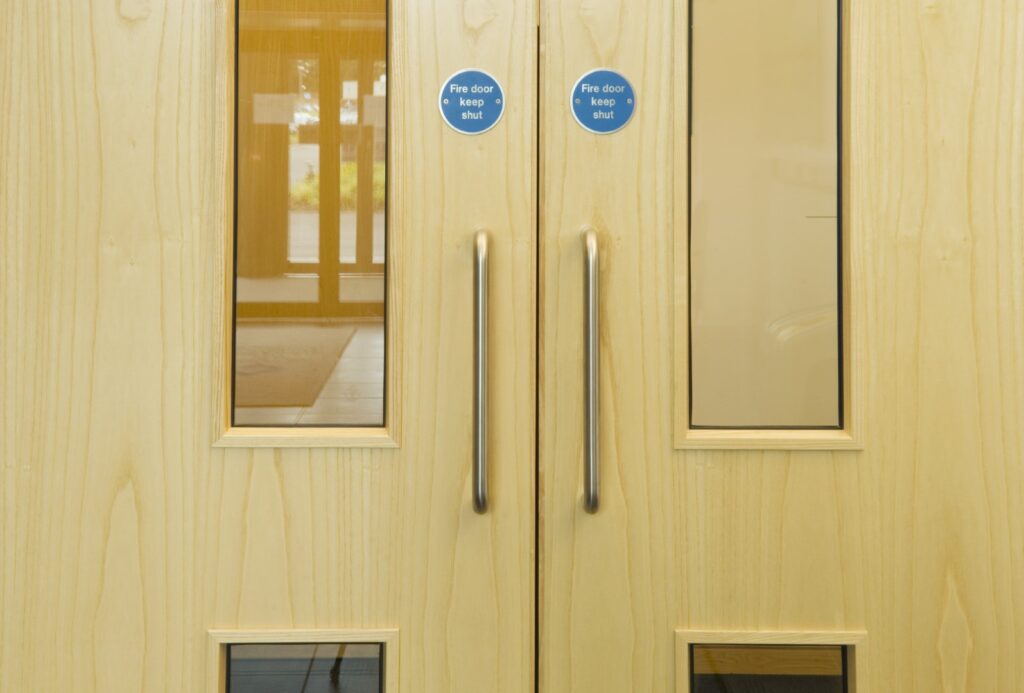
Fire doors are purpose built components designed to contain fire and smoke for a specified period of time. They are an integral part of a school’s passive fire protection strategy. When installed correctly, a fire door creates a protective barrier that slows the spread of fire from one area to another. This containment gives students and staff valuable time to evacuate the building and allows the fire service improved conditions to respond effectively.
In schools, where movement is constant and visibility can quickly become limited, this containment is vital. A fire starting in a classroom can spread into corridors or stairwells in minutes. Without properly functioning fire doors, smoke can fill escape routes rapidly, creating panic and reducing the chances of a safe evacuation. Fire doors maintain safer conditions for longer, allowing controlled movement towards assembly points.
Educational environments also contain a higher than average number of combustible materials. Books, paper, furniture and electronic equipment are present in every room. Science laboratories, kitchens and workshops add additional fire risks. All these factors increase the likelihood that a fire could grow quickly if not contained. Fire doors are specifically engineered to withstand heat, block smoke and limit oxygen flow, slowing down the fire’s development. For schools in Sunderland, this protection is essential because many buildings contain older construction materials that do not offer natural resistance to fire.
How Fire Doors Support Safe Evacuation in Sunderland Schools
The evacuation strategy of any school relies heavily on the availability of safe, clear routes. These routes must remain free of smoke and heat long enough for everyone to exit the building. Fire doors are placed strategically along corridors, near stairwells and around high risk areas to ensure that smoke does not travel freely throughout the building.
In a school environment, children often evacuate in large groups. Young pupils may need guidance from teachers, while older students must stay calm and follow instructions. Safe evacuation depends on time, clarity and visibility. If corridors fill with smoke quickly, it becomes difficult for staff to lead pupils to safety. Fire doors keep smoke compartmentalised, ensuring that escape routes remain usable for as long as possible.
Fire doors also form part of the protection plan for individuals with disabilities. Students or staff who require additional time to evacuate rely on safe refuge areas and protected routes. Fire doors help maintain these protected spaces, giving staff and emergency services more time to support those who cannot move quickly.
In many Sunderland schools, multiple buildings are connected by corridors, walkways or shared facilities. Fire doors separating these areas reduce the likelihood that a fire in one building will compromise others. This separation is vital for keeping evacuation controlled and preventing widespread disruption.
Key Features of Effective Fire Doors in Schools
Not all doors offer fire protection. True fire doors are tested to strict standards and include several components that must all work together to offer reliable performance. For school leaders and site managers in Sunderland, understanding these features helps identify issues early and maintain compliance with regulations.
Key features include:
- A certified fire resistant core that withstands heat for a specified duration
- Intumescent seals that expand when heated to block gaps and stop smoke
- Fire rated hinges and closers designed to withstand extreme temperatures
- Safety glazing that prevents shattering under heat
- Correctly fitted frames and architraves
- Door closers that ensure the door always returns to a closed position
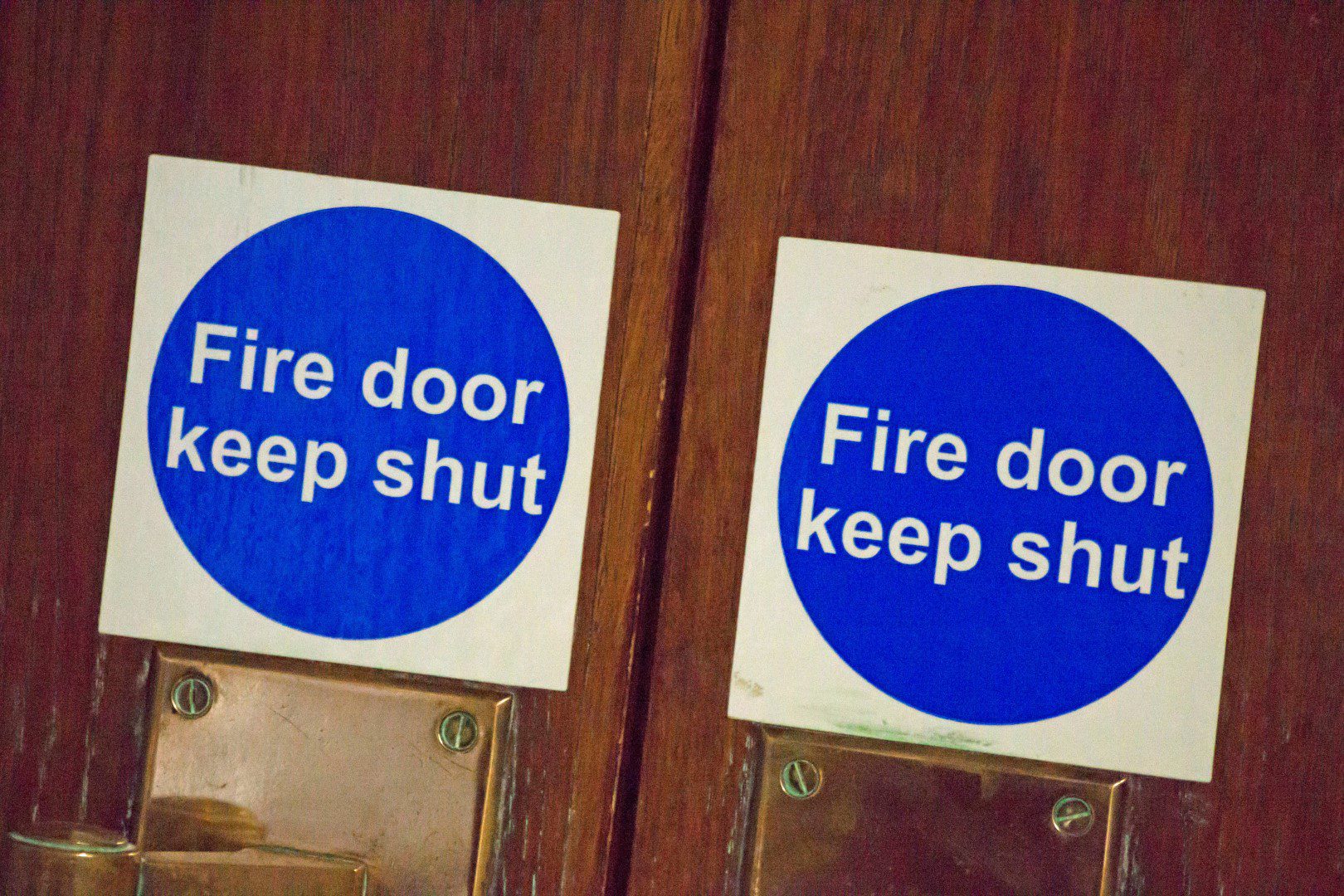
- Signage that clearly identifies the door as a fire door
Each of these components must be in good working order to ensure the door performs as intended. Although the door leaf often receives the most attention, a fire door is only effective when every part is functioning properly. A single faulty hinge, missing seal or damaged closer can significantly reduce its performance.
Common Issues Found in Sunderland School Fire Doors
It is not uncommon for schools to experience wear and tear on their fire doors. High footfall, frequent use and heavy objects being carried through corridors can lead to accidental damage. Some of the most common issues include:
- Doors wedged open to ease movement between classrooms
- Doors that do not latch properly when closed
- Damaged or missing smoke seals
- Faulty automatic closers
- Warped frames caused by age or moisture
- Unauthorised modifications such as hooks or additional locks
- Small gaps around the door that exceed legal tolerances
Any of these issues can compromise the door’s ability to stop the spread of fire. Something as simple as a door being left open completely undermines the protection it is designed to provide. These issues need immediate attention, and regular fire door inspections in Sunderland are essential to identify them as early as possible.
Legal Responsibilities for Sunderland Schools
All schools have specific legal responsibilities for fire safety. Under the Regulatory Reform Fire Safety Order, the person or organisation responsible for the premises must ensure that fire protection measures are in place and maintained correctly. This includes fire doors.
Schools must:
- Ensure all fire doors are installed correctly by competent professionals
- Arrange regular inspections to identify damage or wear
- Maintain full records of checks, repairs and replacements
- Ensure all staff understand the importance of keeping fire doors closed
- Provide training on recognising and reporting issues
- Replace damaged or non compliant doors promptly
Independent schools, academies and maintained schools all fall under the same legal obligations. Inspections by local authorities or fire safety officers may highlight deficiencies, and failure to address them can lead to enforcement action.
Why Maintenance and Regular Inspections Are Critical
Maintenance is the most effective way to ensure fire doors continue to protect students and staff. Over time, even minor wear can affect performance. Regular checks help identify problems before they become serious.
A professional fire door inspection assesses all components, including hinges, seals, frames, glazing, signage and closers. The inspector will check for gaps, warping, incorrect installation and any signs of damage. In a busy school environment, these checks should be carried out annually or more frequently in high traffic areas.
Prompt repairs keep fire doors in good condition and extend their lifespan. If a fire were to occur, a well maintained door will provide the containment needed to protect escape routes and increase survivability.
The Role of Fire Doors in Building Confidence and Daily Safety
Fire doors do more than protect during emergencies. When properly maintained, they contribute to a culture of safety throughout the school. Students and staff gain reassurance from knowing that the environment is designed to safeguard them. Parents also feel more confident when they know the school takes fire safety seriously.
A clear and well communicated fire safety strategy encourages responsible behaviour. Students learn not to tamper with fire doors, and teachers feel empowered to report issues quickly. This collective responsibility strengthens the overall effectiveness of the school’s safety procedures.
Protecting Sunderland Schools Through Professional Fire Door Expertise
Fire doors are a vital part of the fire safety infrastructure in every Sunderland school. Their ability to slow the spread of fire and smoke creates time for safe evacuation and protects lives. Regular inspections, correct fire door installation in Sunderland and prompt maintenance ensure these doors perform when they are needed most.
Working with trained professionals ensures that every fire door is compliant, reliable and suitable for the school’s layout and risk profile. With the right support, schools can maintain a safe and resilient environment that supports learning while protecting the people at the heart of the building.

