

Yes, a fire risk assessment is a legal requirement for most non-domestic properties in the UK.
If you are responsible for a commercial building, you must identify fire risks and take reasonable steps to reduce them. This applies whether you own the property, manage it, or operate a business within it. The purpose is to protect people, property, and ensure safe evacuation in the event of a fire.
Failing to meet this requirement can result in enforcement action, financial penalties, and serious legal consequences. More importantly, it puts lives at risk. Understanding your responsibilities is essential for maintaining compliance and ensuring your building is safe.
What Law Requires a Fire Risk Assessment?
Fire risk assessments are required under the Regulatory Reform (Fire Safety) Order 2005, which applies across England and Wales.
This legislation covers a wide range of non-domestic premises, including offices, retail units, warehouses, public buildings, and communal areas within residential properties. The law is designed to ensure that fire risks are identified and managed proactively, rather than relying on reactive measures.
Instead of prescribing fixed rules for every building, the legislation takes a risk-based approach. This means each property must be assessed individually, taking into account its layout, use, and occupants. As a result, fire safety measures must be tailored to the specific risks present within that environment.

Who Is Responsible for Carrying Out a Fire Risk Assessment?
The responsibility for fire safety falls to the “responsible person”. This is the individual responsible for the premises and for ensuring that fire risks are properly managed.
In most cases, this will be:
- The employer, if the premises are used as a workplace
- The business owner operating from the building
- The landlord, particularly in multi-occupancy properties
- The managing agent or facilities manager
While the responsible person can appoint a competent professional to carry out the assessment, the legal responsibility cannot be transferred. They must ensure that the assessment is suitable, up to date, and acted upon.
Because of this, many businesses choose to work with professional fire safety providers to ensure nothing is overlooked and compliance is maintained.
What Does a Fire Risk Assessment Involve?
A fire risk assessment is a structured process that identifies potential hazards and evaluates the level of risk within a building.
Rather than being a simple checklist, it is a detailed review of how a fire could start, how it could spread, and how it would affect occupants. The assessment also considers whether existing safety measures are sufficient.
This process typically includes:
- Identifying sources of ignition, fuel, and oxygen
- Assessing who may be at risk, including vulnerable individuals
- Reviewing fire detection, alarm systems, and escape routes
- Evaluating fire doors, extinguishers, and emergency lighting
- Recording findings and recommending improvements
Bullet points are useful here because they break down a complex process into clear, scannable steps.
The outcome of the assessment should be a clear action plan. This ensures that any risks identified are addressed in a structured and measurable way.
How Often Should a Fire Risk Assessment Be Reviewed?
Fire risk assessments do not have a fixed expiry date, but they must be reviewed regularly to remain valid.
At a minimum, most businesses should review their assessment annually. However, reviews should also take place whenever there are significant changes that could affect fire safety.
This includes changes to the building layout, the introduction of new equipment, or an increase in occupancy. Even small changes can alter the level of risk and should not be overlooked.
Regular reviews ensure that your fire safety measures remain effective over time. They also demonstrate ongoing compliance, which is important if your business is inspected.
What Happens If You Don’t Have a Fire Risk Assessment?
Failing to carry out a fire risk assessment is a direct breach of UK fire safety law.
Enforcement authorities have the power to investigate and take action where compliance is lacking. This can include issuing enforcement notices that require immediate improvements or prohibition notices that restrict how a building can be used.
In more serious cases, businesses may face significant fines or legal prosecution. These penalties can be severe, particularly where negligence has put people at risk.
Beyond legal consequences, the absence of a fire risk assessment increases the likelihood of an incident occurring. Without a clear understanding of the risks, it becomes much harder to prevent fires or manage them effectively.
Do Small Businesses Need a Fire Risk Assessment?
Yes, small businesses are not exempt from fire safety legislation.
Even if your business operates with a small number of employees, you are still required to assess fire risks and put appropriate measures in place. The level of detail in the assessment may be simpler, but the legal obligation remains the same.
If your premises are visited by customers, clients, or members of the public, the importance of fire safety becomes even greater. In these situations, a clear and up-to-date assessment is essential.
Ignoring this requirement can leave small businesses exposed to the same risks and penalties as larger organisations.
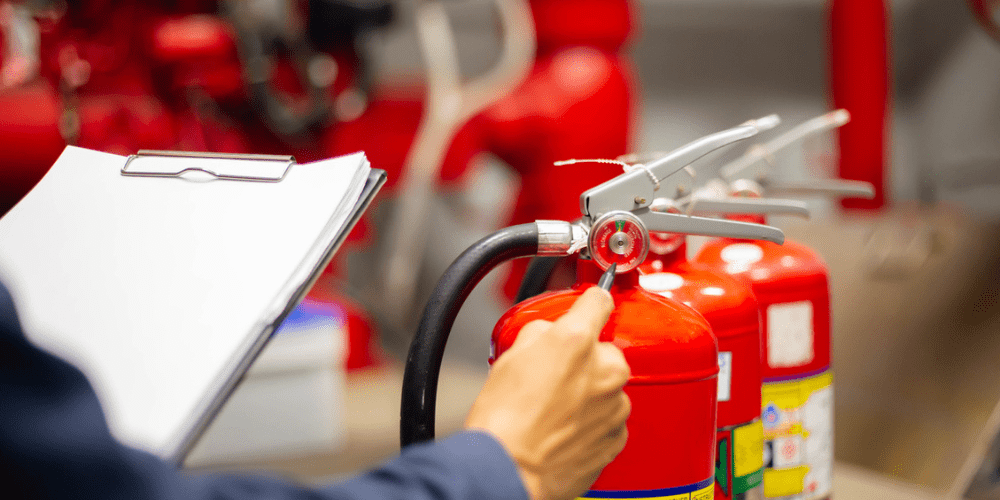
Why a Professional Fire Risk Assessment Matters
While it is possible to carry out a fire risk assessment yourself, it must be suitable and sufficient to meet legal standards.
In practice, this means having the knowledge and experience to identify risks accurately and recommend effective solutions. For many businesses, this can be difficult without specialist training.
A professional fire risk assessment provides a more thorough and reliable evaluation. It ensures nothing is missed and that all recommendations align with current regulations.
This not only improves safety but also gives you confidence that your business is fully compliant.
Stay Compliant with a Fire Risk Assessment
Fire risk assessments are a legal requirement, but they are also a critical part of protecting people and property.
By identifying risks early and taking appropriate action, businesses can reduce the likelihood of fire and ensure safe evacuation if one occurs. Regular reviews and professional support help maintain compliance and keep safety standards high.
Taking fire safety seriously is not just about meeting legal obligations. It is about creating a safer environment for everyone who uses your building.
Frequently Asked Questions
Is a fire risk assessment a legal requirement for all businesses?
Yes, most businesses in the UK are legally required to carry out a fire risk assessment under the Regulatory Reform (Fire Safety) Order 2005.
This applies to any premises where people work, visit, or have access. The requirement is not based on the size of the business, but on whether there is a risk to people within the building.
Even small businesses must assess fire risks and take appropriate action to reduce them.
Can I carry out a fire risk assessment myself?
You can carry out a fire risk assessment yourself if you have the knowledge and competence to do so.
However, the assessment must be suitable and sufficient. This means it must correctly identify risks, evaluate existing safety measures, and provide clear recommendations.
Many businesses choose to use a professional service to ensure compliance and avoid the risk of missing important hazards.
How long does a fire risk assessment take?
The time required depends on the size and complexity of the building.
Smaller premises may be assessed within a few hours, while larger or more complex buildings can take longer. The process includes both the physical inspection and the preparation of a detailed report.
A thorough assessment should never be rushed, as accuracy is essential for both safety and compliance.

