
The risk of fire is a pressing concern for every business in the UK. Protecting your workplace, employees, visitors and assets is not just about installing the right equipment but also ensuring ongoing compliance, training and maintenance. Here are five crucial ways to protect your business from fire, covering legal requirements, practical steps, and the right solutions for UK businesses.
Know Your Legal Responsibilities: Meeting UK Fire Safety Requirements
Every UK business is legally required to take reasonable steps to reduce the risk of fire and ensure safety in case a fire occurs. The primary legislation is the Regulatory Reform (Fire Safety) Order 2005 (RRO), which applies to virtually all non-domestic premises. The “responsible person” (often the employer, building owner, or occupier) must carry out regular fire risk assessments, identify fire hazards and people at risk, remove or reduce the identified risks, provide and maintain appropriate fire safety measures, and ensure staff are informed and trained.
Failure to comply can result in serious fines or imprisonment, especially if negligence leads to injury or loss of life. Enforcement officers can inspect your premises and issue enforcement or prohibition notices if your fire safety arrangements fall short. The financial impact of non-compliance can be severe, with fines running to tens of thousands of pounds, alongside business disruption and reputational damage.
Conduct and Update Fire Risk Assessments
A detailed and up-to-date fire risk assessment is the foundation of business fire safety. This process identifies fire hazards, evaluates the risk, and proposes measures for mitigation. Legally, your assessment must be reviewed regularly, at least annually, or whenever there are significant changes (new equipment, office layout alterations, or changes in staff). An FRA should consider ignition sources such as electrical equipment, cooking or smoking areas, the presence and storage of flammable substances, the adequacy of current fire safety measures like alarms, extinguishers and means of escape, who might be at risk including vulnerable people, and the emergency procedures and training required.
Businesses in specialist sectors, such as hospitality, industrial, or care, may need to consider industry-specific risks, including the use of hazardous chemicals or catering appliances.
Expert Fire Solutions Ltd can guide your business through each stage of fire risk assessment, ensuring compliant and practical solutions. Find out how our fire safety specialists help businesses in your region with tailored advice and support at Expert Fire Solutions.
Fit and Maintain the Correct Fire Safety Equipment
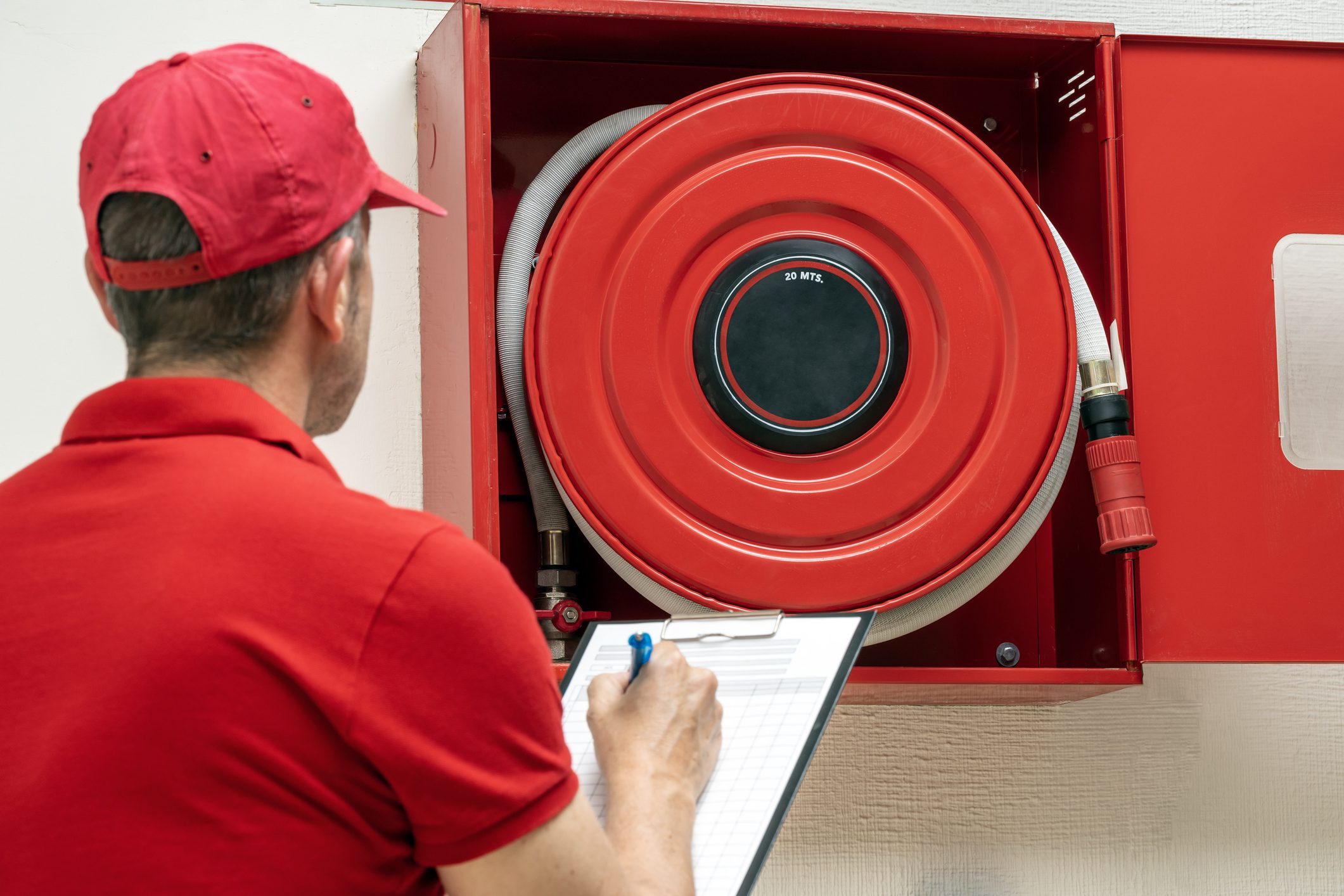
Properly installed fire safety equipment is vital for early detection and effective response. Key elements include:
- Fire alarm systems: Ensure you have the right grade and category for your premises and test them weekly.
- Smoke and heat detectors: Fit them in appropriate locations, maintained as per manufacturer and legal guidelines.
- Fire extinguishers: Provide appropriate types (water, CO2, foam, etc.) in correct locations. Service annually as per BS 5306-3.
- Emergency lighting: Required in common areas and escape routes, tested monthly and serviced annually.
- Fire safety signage: Display clear, compliant signage for escape routes and extinguisher use.
All equipment must be maintained according to UK legal standards. For example, fire alarm servicing is required every six months under BS 5839-1, and emergency lighting inspections must comply with BS 5266-1. Overlooking maintenance responsibilities is a common compliance failure. Faulty systems not only breach the law but may lead to insurance claims being rejected following an incident.
Train Staff and Practice Emergency Procedures
Staff are your first line of defence against fire risks. Comprehensive and regular fire safety training is both a legal requirement and a practical necessity. All new starters must receive basic fire awareness instruction, with refreshers covering extinguisher types and their limitations, fire alarm procedures and system location, how to raise the alarm and assist vulnerable people, and safe evacuation routes with assembly points.
Appointing fire wardens or marshals for larger businesses is strongly recommended. These individuals receive in-depth training in managing evacuations, conducting roll calls at assembly points, and liaising with the emergency services. Regular evacuation drills test both your team’s knowledge and your business continuity resilience. These drills should be held at least once a year, more often in complex settings or where turnover is high.

Regularly Review, Improve and Document Your Fire Safety Plan
A fire safety plan is only effective if reviewed, communicated and continually improved. File all documentation relating to risk assessments, maintenance certificates, training logs and emergency drills. Regulatory visits or insurance audits will require evidence of your due diligence. Periodically review incident “near-misses” (for example, a small electrical fire safely extinguished or an evacuation delay reported in a drill) and update your risk assessment and procedures where necessary.
Documented evidence of compliance not only protects your business legally but also demonstrates your commitment to staff and visitors, enhancing your reputation and possibly reducing insurance premiums.
Factors to Compare When Choosing Fire Safety Solutions
Making the right fire safety investments goes beyond price alone. As you compare solutions for your business, weigh up:
- Compliance: Does the provider ensure alignment with latest UK regulations?
- Ongoing support: Are risk assessments, equipment maintenance and training included?
- Industry experience: Do they understand hazards unique to your sector, whether office, retail or industrial?
- Quality of equipment: Is it British Standard-compliant and from reputable manufacturers?
- Customisation: Will they tailor solutions to your premises’ layout and workforce?
Choosing a reputable fire safety company, such as Expert Fire Solutions Ltd, brings professional expertise, peace of mind, and a thorough understanding of both legal and practical requirements specific to UK businesses.
Plan Your Business Fire Protection
Taking these five steps significantly reduces your risk of fire, supports compliance, and protects everything you have built. If you need guidance, equipment installation, or tailored fire risk assessments, contact the team at Expert Fire Solutions. Trusted fire safety specialists are ready to support your business with solutions tailored to your needs.
FAQs:
Do you carry out fire risk assessments for multi-site businesses?
Yes. Our assessors deliver compliant fire risk assessments for single locations and multi-site portfolios, coordinating visits and reporting so you have consistent actions across every site.
How often should our alarms and emergency lighting be serviced?
Under BS 5839-1, fire alarm systems require a service at least every six months, with weekly user tests. Emergency lighting should follow BS 5266-1, with monthly functional checks and an annual full-duration test.
Can you supply and maintain extinguishers for different fire classes?
We supply, commission and maintain extinguishers for Classes A to F and electrical risks, in line with BS 5306-3. We also advise on siting, signage and user training.
Which areas do you cover?
We are based in the North East and work across Durham, Newcastle, Gateshead, Sunderland, Middlesbrough, Darlington and Hartlepool. For larger projects, we can support clients elsewhere in the UK.
Do you provide staff training and evacuation drills?
Yes. We deliver practical fire safety training, including fire warden instruction and safe extinguisher use, and we can plan and observe evacuation drills to improve your procedures.

