
Fire safety training is a vital responsibility for every employer in Durham. Whether a business operates from a modern office, a busy retail unit, a manufacturing site or a multi storey facility, the need for effective fire safety awareness remains the same. Staff must know how to act quickly, confidently and correctly in an emergency. They must understand evacuation routes, fire extinguisher use, alarm signals and the general principles of fire prevention. While traditional methods such as classroom training and practical demonstrations continue to play an important role, many Durham businesses are now turning towards virtual reality as the next evolution in workplace fire safety training.
Virtual reality training places the learner in a simulated environment that recreates real fire scenarios with a high level of detail. Instead of watching a video or listening to a lecture, employees experience a situation directly, allowing them to practise decisions and movements in a safe and controlled setting. This immersive approach is gaining rapid popularity across the region, particularly among companies that recognise the value of hands on learning without real world risks. The following sections explore why virtual reality has become a leading trend in fire safety training, the benefits it offers Durham businesses and how it complements existing methods to create stronger fire awareness among staff.
The Shift Towards Immersive Training Experiences
Traditional fire safety training has always provided essential knowledge, but it often relies on theory rather than direct engagement. Classroom sessions can cover legislation, procedures and safe practices, but they cannot fully replicate the pressure of responding to a real emergency. Even practical extinguisher training, while valuable, takes place under controlled conditions with minimal stress or unpredictability.
Virtual reality changes this dynamic completely. By placing learners in realistic scenarios, VR provides a sense of urgency that traditional training cannot match. For example, an employee might find themselves navigating a smoke filled corridor, locating the nearest fire exit or choosing the correct extinguisher for a small fire. These scenarios allow participants to rehearse evacuation decisions with a clarity that classroom learning simply cannot produce.
Businesses in Durham increasingly recognise that immersive learning leads to stronger retention of information. When people experience a scenario first hand, the brain records the event more effectively than when they read about it or listen to it. This produces better recall during real emergencies, where quick decision making can make a significant difference.
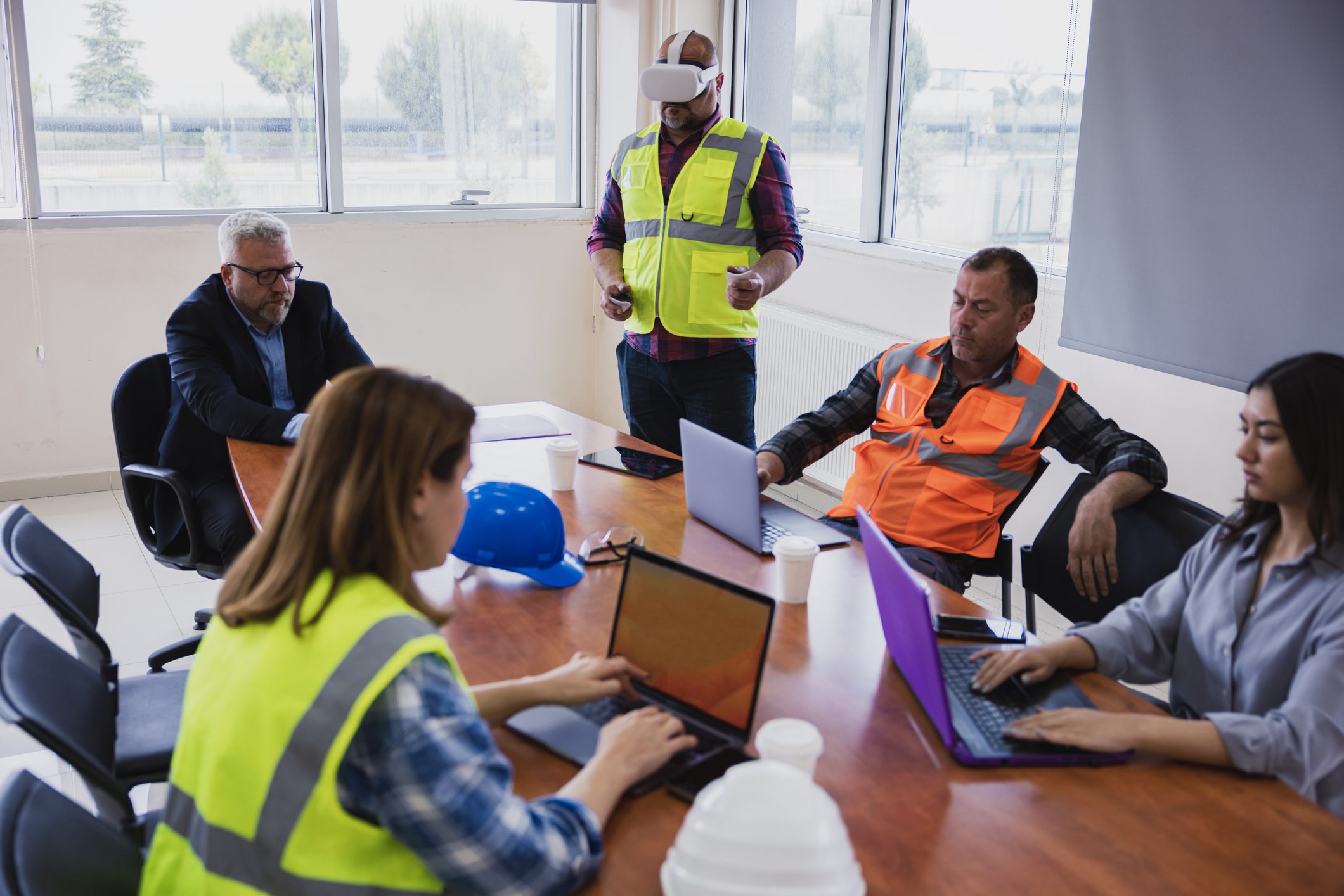
Why Durham Businesses Are Adopting Virtual Reality Fire Safety Training
Several factors are driving interest in virtual reality fire safety training across Durham. Local industries such as manufacturing, warehousing, healthcare, retail and education are adopting VR to improve the quality of training and ensure staff are better prepared for emergency situations. Some of the key reasons include:
1. Increased Engagement and Participation
One of the biggest challenges in fire safety training is keeping participants focused. It is common for staff to view training sessions as routine, especially if they have completed them many times before. Virtual reality transforms this perception. It creates an interactive and engaging session where employees feel involved from start to finish.
Participants must actively make decisions, respond to visual cues and move through the simulated environment. This sense of engagement increases motivation and reduces the likelihood of staff overlooking important details.
2. Safe Exposure to Realistic Scenarios
VR allows employees to experience fire conditions without any risk to their safety. This includes smoke, limited visibility, heat indicators, alarms, and even behavioural responses from other virtual people in the scenario. Experiencing these elements prepares staff more effectively than theoretical discussion alone.
Durham businesses with high risk environments benefit significantly from this realism. Employees can practise handling complex or hazardous situations that would be too dangerous to recreate physically.
3. Better Understanding of Evacuation Procedures
Evacuation routes in a building can seem straightforward during routine walkthroughs, but they can feel very different during an emergency. Smoke, noise and confusion can make even familiar routes challenging. Virtual reality training simulates these conditions, allowing employees to practise finding exits under realistic pressure.
For larger workplaces in Durham, such as hospitals or manufacturing plants, this practice can be invaluable. Staff learn to rely on signage, maintain situational awareness and follow procedures even in unfamiliar or stressful conditions.
4. Improved Confidence in Fire Extinguisher Use
Many employees feel uncertain about using a fire extinguisher, even after attending traditional training. Virtual reality provides a safe environment where they can practise selecting and using the correct extinguisher type. VR systems can simulate several types of fires, such as electrical, flammable liquid or waste bin fires, helping employees understand why extinguisher choice matters.
Practising these decisions increases confidence and ensures staff are less likely to panic when confronted with a small manageable fire.
5. Consistent Training Across Teams
One of the advantages of virtual reality is consistency. Every participant receives the same scenario, the same risks and the same instructions. This removes variation in training delivery and ensures all staff are assessed under identical conditions.
For businesses in Durham that operate across multiple sites or have a high turnover of staff, consistency is an important factor in maintaining strong fire safety standards.
How VR Complements Traditional Fire Safety Training
Virtual reality is not intended to replace traditional training methods but to enhance them. Classroom learning still plays an essential role in teaching legislation, fire safety theory and emergency planning. Practical demonstrations with real extinguishers provide valuable hands on experience. VR sits alongside these components to create a comprehensive, balanced training programme.
Enhancing Theory with Practical Experience
Classroom sessions teach employees why fire safety is important. VR shows them how to apply that knowledge in realistic situations. This combination leads to stronger understanding and improved performance during drills and real emergencies.
Supporting Fire Wardens and Key Personnel
Fire wardens have specific responsibilities during an evacuation, such as checking zones, assisting vulnerable people and coordinating with emergency services. VR can simulate wardens’ duties under pressure, allowing them to gain experience they would not otherwise receive during standard drills.
Identifying Weaknesses in Evacuation Behaviour
VR scenarios record participant behaviour. Trainers can review how individuals reacted, whether they followed procedures and which decisions they made under pressure. This information helps identify gaps in knowledge and areas for improvement.
Examples of VR Scenarios Used in Durham Fire Safety Training
The flexibility of VR technology allows for a wide range of scenarios tailored to different industries and building types. Common examples include:
- A fire starting in an office meeting room
- Evacuating a retail shop floor with customers present
- Handling a kitchen fire in a hospitality setting
- Responding to an alarm in a manufacturing plant
- Navigating a warehouse during a smoke filled emergency
- Identifying hazards in a routine workplace inspection
These scenarios can be customised to reflect the layout or hazards of a specific site, giving employees a sense of familiarity and improving the relevance of the training.
Employer Responsibilities and Legal Requirements
Employers in Durham have a legal duty under the Regulatory Reform Fire Safety Order to ensure staff receive adequate fire safety training. Virtual reality supports compliance by offering high quality, well structured learning that reinforces emergency procedures. It helps employers demonstrate commitment to safety, maintain training records and show clear evidence of competency.
Insurers also increasingly value immersive training methods. Businesses that invest in VR may benefit from improved risk profiles and a more robust fire safety strategy.
The Future of Fire Safety Training in Durham
Virtual reality is becoming more accessible as technology advances and costs decrease. Many Durham businesses see VR as a long term investment in staff safety, workplace resilience and regulatory compliance. As VR platforms continue to evolve, fire safety training is expected to become even more immersive, adaptive and personalised.
Future developments may include simulations that adapt to individual performance, real time team based evacuation drills and advanced hazard recognition scenarios. As workplaces grow more complex, VR will provide a powerful tool for preparing employees to handle emergencies with confidence and clarity.
A Safer Durham Through Modern Fire Safety Training
Virtual reality is transforming the way businesses in Durham approach fire safety training. By providing immersive, realistic and engaging scenarios, it equips employees with the practical skills they need to respond effectively in a fire emergency. When combined with traditional fire safety training, VR creates a comprehensive learning package that strengthens awareness, improves decision making and supports a safer working environment.
As more Durham businesses recognise the value of VR, this innovative approach is set to become a key part of modern fire safety strategies across the region. If your business is looking to improve staff confidence, enhance emergency preparedness and embrace new training methods, virtual reality offers a powerful and effective solution.

