
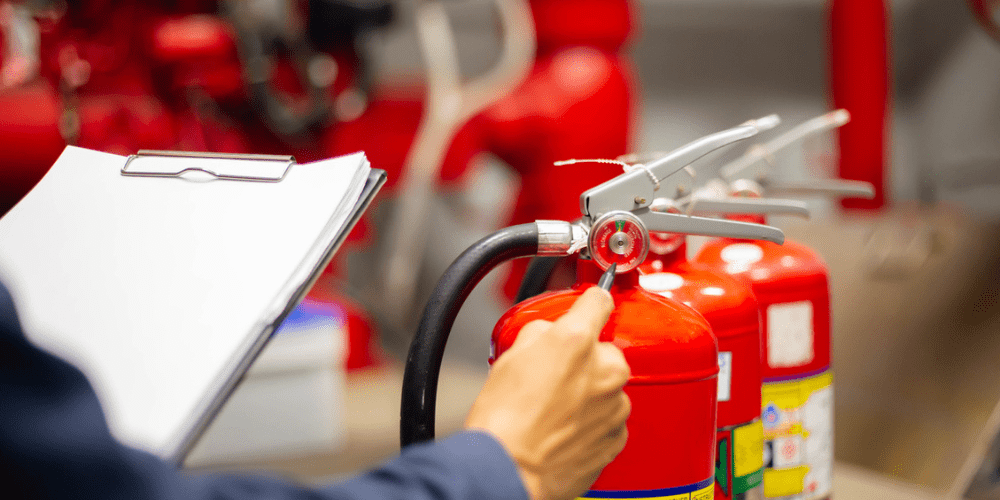
Failing a fire safety inspection can be unsettling for any business. Many Responsible Persons assume a failed inspection means immediate closure, while others underestimate the seriousness of enforcement action. The reality sits somewhere in between, but the consequences can still be significant if issues are not addressed properly.
Understanding what happens after a failed fire safety inspection helps businesses respond correctly, reduce risk and avoid escalation. This article explains how inspections work, what enforcement action looks like, and what steps businesses should take if standards are not met.
Why fire safety inspections take place
Fire safety inspections are carried out by Fire and Rescue Authorities to ensure businesses comply with the Regulatory Reform Fire Safety Order. Inspectors focus on whether people are adequately protected in the event of a fire.
Inspections may be routine, risk based or triggered by complaints, incidents or previous non compliance. Some sectors, such as care homes, hospitality and shared residential buildings, are inspected more frequently due to higher risk.
Inspectors will assess documentation, physical fire safety measures and how fire risks are managed day to day.
What inspectors look for during a visit
A fire safety inspection typically covers several key areas. Inspectors will ask to see a current fire risk assessment and evidence that identified actions have been completed.
They will review fire detection and alarm systems, emergency lighting, signage and evacuation routes. Fire doors are a major focus, including their condition, certification and inspection records.
Training records are also reviewed. Inspectors expect staff to understand what to do in an emergency and to receive regular, relevant training.
Expert Fire Solutions supports businesses across all of these areas through fire risk assessments, fire door inspections, training and compliance support.
What counts as a failed inspection
There is no single definition of failing a fire safety inspection, but failure generally means inspectors have identified deficiencies that put people at risk.
This may include an unsuitable or outdated fire risk assessment, missing or damaged fire doors, inadequate detection, blocked escape routes or lack of staff training.
In some cases, failures are administrative, such as missing records or unclear responsibilities. In others, failures are physical and immediate.
The severity of the issues determines what happens next.
Informal action and advice
For minor issues that do not present immediate danger, inspectors may offer informal advice. This could include recommendations to update documentation, improve signage or complete overdue maintenance.
While informal, this advice should not be ignored. Inspectors may follow up, and failure to act can lead to formal enforcement later.
Businesses should treat informal feedback as an opportunity to correct issues early and demonstrate cooperation.
Enforcement notices explained
If inspectors identify more serious breaches, they may issue an enforcement notice. This is a legal document requiring specific actions to be completed within a set timeframe.
An enforcement notice will clearly outline what is wrong, what must be done and when it must be completed. Failure to comply is a criminal offence.
Common reasons for enforcement notices include inadequate fire risk assessments, poor fire door maintenance, missing fire detection systems or lack of emergency lighting.
Expert Fire Solutions often works with businesses responding to enforcement notices, providing assessments, remedial advice and compliance support.
Prohibition notices and immediate risk
In cases where inspectors believe there is serious and immediate danger to life, they can issue a prohibition notice. This restricts or completely stops the use of part or all of a premises until risks are reduced.
Prohibition notices can result in immediate closure, loss of income and reputational damage. They are most commonly issued where escape routes are compromised, detection systems are absent or fire risks are extreme.
Preventing this level of enforcement relies on proactive maintenance and regular professional reviews.
Legal consequences and penalties
Failing to comply with fire safety legislation can lead to prosecution. Courts can issue unlimited fines, and in severe cases, prison sentences for individuals responsible.
Recent prosecutions show that courts take fire safety breaches seriously, particularly where people are placed at risk. Directors, landlords and managing agents can all be held accountable.
Beyond fines, businesses may face increased insurance premiums, invalidated policies and long term reputational damage.
What to do immediately after a failed inspection
If your business fails a fire safety inspection, the first step is to understand exactly what has been identified. Read inspection reports or enforcement notices carefully and seek clarification if anything is unclear.
Do not delay action. Even where deadlines appear generous, early progress demonstrates commitment and reduces risk.
Engaging a competent fire safety professional helps ensure issues are resolved correctly and efficiently.
Expert Fire Solutions can review inspection findings, carry out fire risk assessments, inspect fire doors and provide clear action plans aligned with enforcement requirements.
Fixing common causes of failure
One of the most common reasons businesses fail inspections is an inadequate fire risk assessment. Generic documents or assessments that have not been reviewed after changes to the building or occupancy are often flagged.
Another frequent issue is fire doors. Damaged seals, missing closers, poor installation and lack of inspection records regularly lead to enforcement action.
Training gaps also contribute to failure. Inspectors expect staff to know evacuation procedures and understand their responsibilities.
Addressing these areas through professional services reduces the risk of repeat failures.
Demonstrating compliance after enforcement
Once remedial work is complete, businesses must be able to demonstrate compliance. This includes updated documentation, evidence of completed works and training records.
Inspectors may revisit to confirm actions have been taken. Clear records and professional reports help inspections progress smoothly.
Expert Fire Solutions provides documentation and reporting that supports compliance and reassures enforcement officers.
Preventing future inspection failures
The best way to avoid failing future inspections is to treat fire safety as an ongoing process rather than a one off task.
Fire risk assessments should be reviewed regularly. Fire doors and safety systems should be inspected and maintained. Staff training should be refreshed and recorded.
Working with a trusted fire safety provider helps businesses stay compliant as regulations and expectations evolve.
Turning a failed inspection into a positive outcome
While failing a fire safety inspection is serious, it can also be an opportunity to improve safety and strengthen compliance.
By responding promptly, seeking professional support and addressing issues thoroughly, businesses can reduce risk and build a safer environment for everyone.
Expert Fire Solutions works with organisations across the UK to help them respond to inspections, meet legal duties and maintain high fire safety standards.
Taking action early ensures inspections become a confirmation of good practice rather than a cause for concern.

