

A properly installed fire alarm system is one of the most crucial components of fire safety in any building. It is designed to detect fires early and alert occupants to evacuate before the fire spreads. In Newcastle, businesses and property owners must comply with the Regulatory Reform (Fire Safety) Order 2005, which mandates that fire alarm systems are installed and maintained according to specific guidelines.
At Expert Fire Solutions, we specialise in fire alarm installations across Newcastle. We work with a wide range of clients, from small offices to large commercial buildings and residential properties, ensuring that each installation meets legal standards and provides maximum protection.
If you’re planning to have a fire alarm system installed, it’s important to know what to expect throughout the process. In this article, we’ll provide a step-by-step guide to help you understand the fire alarm installation process, from the initial survey to the final certification.
1. Initial Survey and Fire Risk Assessment
The first step in any fire alarm installation is to conduct a comprehensive survey and fire risk assessment. This is where the process begins, and it is essential to ensure that the fire alarm system is designed and installed correctly to suit the specific needs of your property.
What Happens During the Survey?
During the survey, one of our experts will visit your property to assess the fire risks and the layout of the building. We will take into consideration several factors, including:
- Building Layout: The size, shape, and number of floors in your building will influence the type of fire alarm system needed. Larger buildings may require a more complex system with additional detectors and alarms in various areas.
- Occupancy: The number of people in the building and the type of work carried out will impact the fire alarm system. Offices, schools, and hospitals, for example, may have different needs than a retail shop or warehouse.
- Fire Risks: We will look for specific fire hazards in your property. For instance, areas with electrical equipment, kitchens, or storage of flammable materials will require specific types of detectors and alarms.
- Evacuation Routes: We will ensure that the fire alarm system covers all escape routes to ensure that all occupants can hear the alarm clearly and evacuate safely.
Once we have gathered all the necessary information, we will be able to recommend the right fire alarm system for your property, ensuring it provides the required coverage and meets legal regulations.
2. Designing the Fire Alarm System
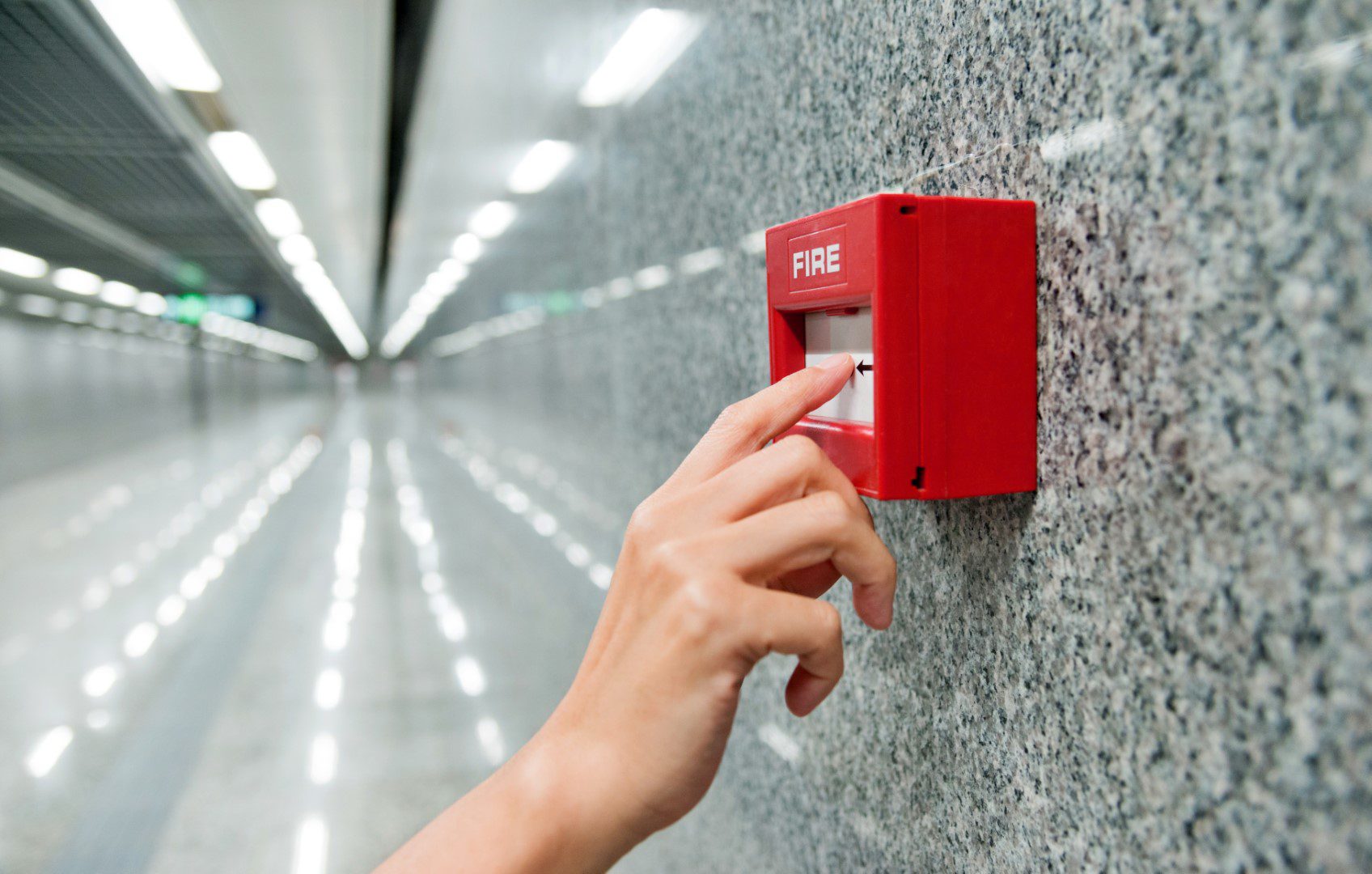
After the survey, we move on to the design stage. This involves determining the type of system, the placement of detectors, and how the alarm will be activated. The design of the system will depend on the findings of the survey and risk assessment.
Types of Fire Alarm Systems
There are several types of fire alarm systems, and the right one for your property will depend on various factors. Here are the main types:
- Conventional Systems: These systems are typically used in smaller buildings and provide basic fire detection. Each detector is connected to a zone, and the control panel will indicate which zone has activated.
- Addressable Systems: These systems offer more advanced detection and can pinpoint the exact location of the fire. They are ideal for larger or more complex properties, where it is important to know the precise location of the fire.
- Aspirating Smoke Detection Systems: These are used in areas where early fire detection is crucial, such as data centres or rooms with high-value equipment. These systems actively draw air into the detector to detect smoke particles before a fire becomes visible.
- Wireless Fire Alarm Systems: For properties where running cables may be difficult, wireless systems offer a flexible and cost-effective solution. They can be installed in both new builds and existing buildings.
Determining Detector Placement
The placement of detectors is a critical part of the design process. They must be installed in locations that maximise coverage and minimise false alarms. The most common types of detectors used in fire alarm systems include:
- Smoke Detectors: These detect the presence of smoke and are typically placed in corridors, hallways, and rooms with high occupancy.
- Heat Detectors: These are used in areas where smoke detection might not be reliable, such as kitchens or areas with a lot of dust or steam.
- Carbon Monoxide Detectors: These detect dangerous levels of carbon monoxide, which can be an indication of a fire.
We will design your system to ensure the detectors are placed according to British standards, such as BS 5839, and are located where they are most likely to detect a fire early.
3. Installation of the Fire Alarm System
Once the design is finalised, the installation process begins. During this phase, we will install the detectors, alarms, control panels, and any other necessary components of the fire alarm system.
The Installation Process
- Wiring and Setup: The first task is to install the necessary wiring for the system. In larger properties, this may involve running cables through walls, ceilings, and floors to connect detectors and alarms. In wireless systems, installation is generally quicker as no cables are needed.
- Mounting Detectors and Panels: Detectors are then mounted in the appropriate locations, and the control panel is installed in a secure and accessible area. The control panel is the heart of the fire alarm system and provides information about which detector has activated and where the fire is located.
- Testing and Commissioning: Once everything is installed, we conduct a series of tests to ensure that the system works correctly. This includes testing each detector, checking the alarms, and making sure that the control panel responds appropriately. We also test backup power supplies to ensure that the system remains operational in the event of a power failure.
- Training Staff: If necessary, we will provide training to key staff members on how to use the fire alarm system, including how to reset the system, how to test it, and how to respond in the event of a fire.
4. Certification and Handover
Once the Newcastle fire alarm installation is complete, we will provide certification to confirm that your fire alarm system meets all the relevant British standards and complies with current fire safety regulations.
What Is Included in the Certification?
The certification includes documentation stating that:
- The system has been installed to the required standards.
- All components of the system are operational.
- The system is suitable for the building’s specific fire risks.
We will provide you with the necessary documentation for your records, and a copy will also be sent to any relevant local authorities if required.
5. Maintenance and Ongoing Support
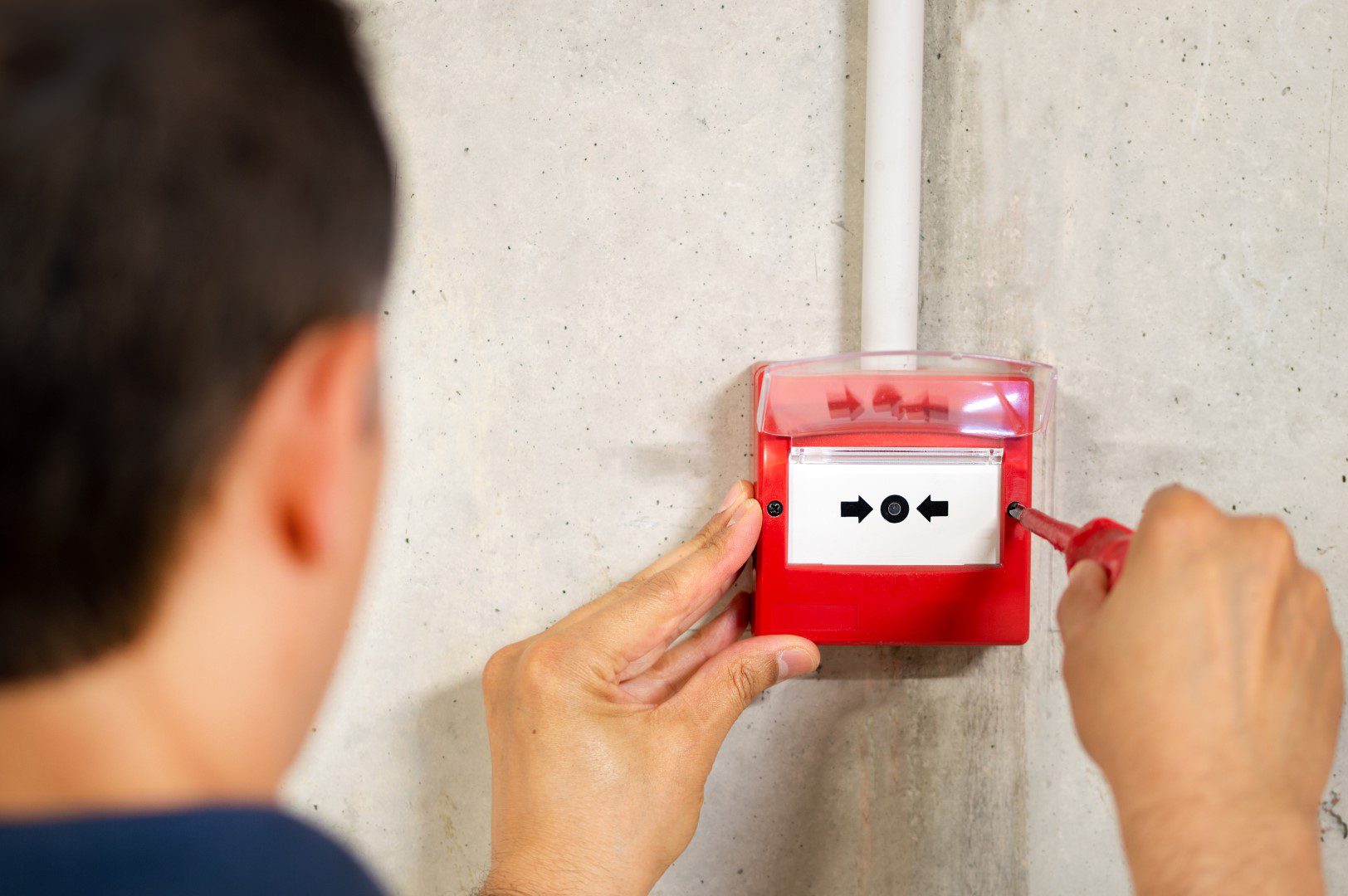
After installation, it’s important to maintain the fire alarm system to ensure that it continues to function correctly. We offer ongoing maintenance services to keep your system in optimal condition. Regular maintenance includes:
- Annual Testing: We will test your fire alarm system annually to ensure it is fully operational.
- Battery Replacement: For systems with battery backups, we will replace batteries regularly to ensure the system will work in case of power failure.
- Fault Inspections: We will inspect the system for any faults or signs of wear and tear that could affect its performance.
Having a fire alarm system is only part of the solution. Regular maintenance is essential to ensure it remains reliable and effective over time.
6. What to Expect During the Process
From the initial survey to the final certification, the process of installing a fire alarm system typically takes several weeks, depending on the size and complexity of your property. Here’s a brief summary of what to expect:
- Survey and Fire Risk Assessment: We will assess your property’s fire risks and requirements.
- Design and Planning: We will design a system based on the survey, choosing the right type of alarm and determining optimal detector placement.
- Installation: Our experts will install the system, ensuring all components are in place and functional.
- Testing and Commissioning: We will test the system to ensure it is working correctly.
- Certification: You will receive the necessary certification to confirm your system meets all legal requirements.
- Ongoing Maintenance: We will provide regular maintenance and support to ensure the system remains operational.
Contact Expert Fire Solutions for Fire Alarm Installations in Newcastle
Installing a fire alarm system is an essential part of keeping your Newcastle property safe. At Expert Fire Solutions, we guide you through every step of the process, from the initial survey to the final certification and ongoing maintenance. Our goal is to ensure your system is reliable, compliant, and fully operational when you need it most.
If you are ready to install or upgrade your fire alarm system, contact Expert Fire Solutions today. We’ll provide expert advice and service to ensure your property is fully protected against the threat of fire.

